“
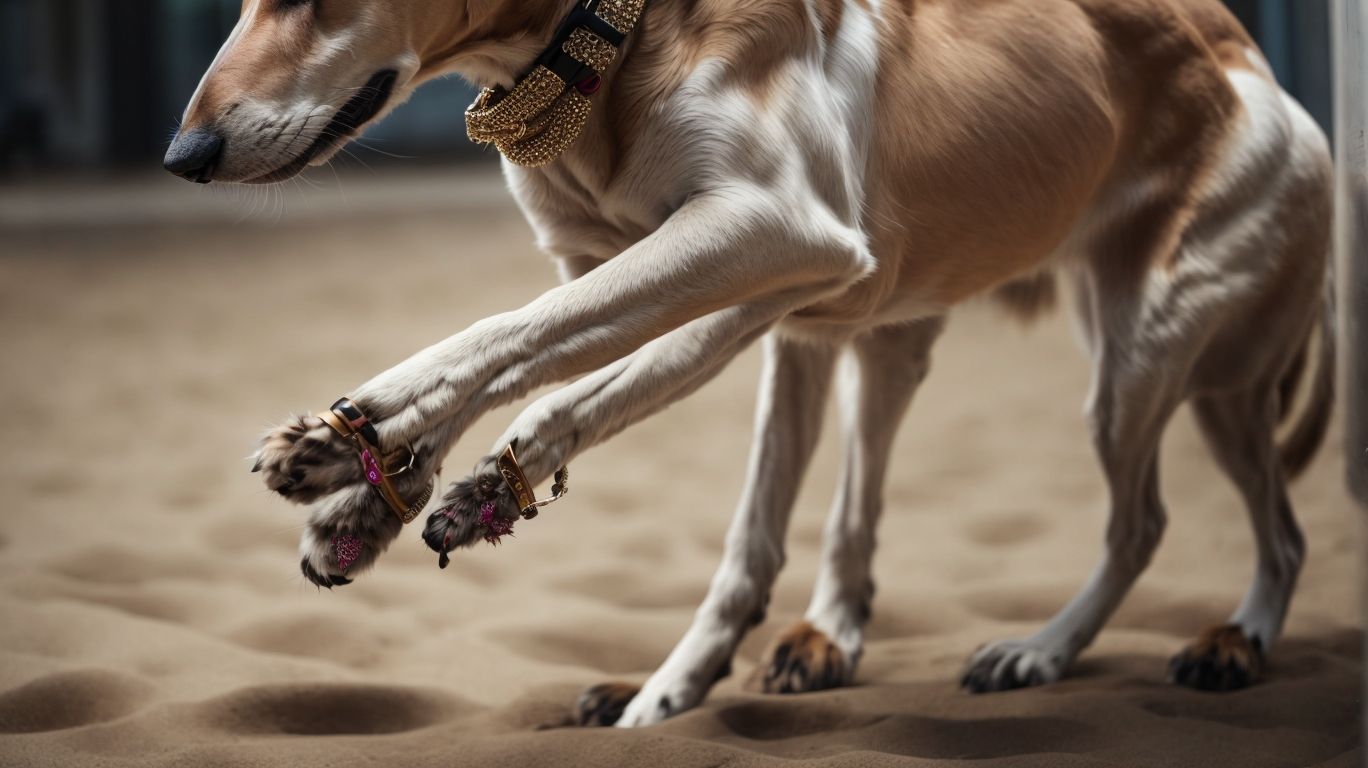
Greyhounds are magnificent and graceful dogs known for their speed and agility. However, their unique physiology requires special attention, particularly when it comes to their feet and nails. Foot and nail care plays a crucial role in ensuring the overall well-being and comfort of greyhounds. This article will provide valuable tips and insights on how to properly care for greyhound feet and nails, as well as the importance of doing so.
Understanding the specific needs of greyhound feet and nails is vital to provide appropriate care. The structure of their feet and the composition of their nails differ from other dog breeds, requiring specific attention and maintenance.
Proper care involves regular cleaning and inspections, trimming and maintenance, as well as moisturizing and protecting their delicate feet. By following these practices, you can help prevent common foot and nail issues such as cracked nails, split pads, sore paws or calluses, and ingrown nails.
Alongside proper care and maintenance, preventative measures are essential for greyhounds. A well-balanced diet and proper nutrition support overall paw health, while regular exercise and activity help maintain strong and healthy feet. The use of protective booties can provide an extra layer of defense against rough terrains or extreme weather conditions.
Understanding the importance of foot and nail care for greyhounds and implementing these practices will ensure the comfort and well-being of your beloved pet. By following these tips, you can keep your greyhound’s paws happy and their nails healthy.
“
Understanding Greyhound Foot and Nail Care
Understanding Greyhound Foot and Nail Care is vital for the overall health and comfort of your greyhound. To properly care for their feet and nails, follow these steps:
1. Regularly inspect the feet: Thoroughly check for any cuts, scrapes, or foreign objects that may be lodged between the pads.
2. Trim the nails: Greyhounds have long, fast-growing nails, so it’s important to trim them on a regular basis to prevent discomfort and potential injury.
3. Use proper nail trimming tools: It is recommended to invest in a high-quality nail trimmer and learn the correct technique for trimming their nails.
4. Be cautious with the quick: The quick is a blood vessel located inside the nail. Gradually trim the nails to avoid accidentally cutting it.
5. Monitor the paw pads: Keep a close eye on the condition of the paw pads and watch out for dryness, cracking, or peeling. If necessary, apply paw balms or moisturizers to keep them healthy.
6. Provide proper protection: In extreme weather conditions, such as hot pavement or freezing temperatures, consider using booties to shield their feet.
By following these steps, you can ensure that your greyhound’s foot and nail care are well-maintained, ultimately promoting their overall well-being.
Why Foot and Nail Care is Important for Greyhounds
Greyhounds are majestic creatures known for their speed and grace. But have you ever wondered why foot and nail care is so important for these beautiful dogs? In this section, we’ll uncover the unique needs of greyhound feet and nails, and explore the key reasons why maintaining their foot health is crucial. Get ready to discover the secrets behind keeping those paws in prime condition for your beloved greyhound companion.
The Unique Needs of Greyhound Feet and Nails
Greyhounds have unique needs when it comes to their feet and nails. With their slender build and thin skin, it’s important to understand how to properly care for them. Greyhounds have sensitive feet and nails that are prone to cracking, splitting, and developing calluses. Regular cleaning and inspections are crucial to catch any issues early on. Trimming and maintenance should be done carefully to avoid injury. Moisturizing and protecting their feet can also help prevent problems. By understanding and addressing the unique needs of greyhound feet and nails, owners can ensure their beloved pets stay healthy and comfortable.
How to Care for Greyhound Feet and Nails
Discover the secrets to keeping your greyhound’s paws in tip-top shape! In this guide, we’ll uncover effective techniques for caring for your greyhound’s delicate feet and nails. From regular cleaning and inspections to trimming and maintenance, we’ve got you covered. Plus, we’ll share insider tips on how to moisturize and protect those precious paws. Say goodbye to paw-related woes and give your beloved furry friend the footloose freedom they deserve!
Regular Cleaning and Inspections
Regular cleaning and inspections are crucial for maintaining the health and well-being of your greyhound’s feet and nails. Here are some steps to follow:
- Start by regularly cleaning and inspecting your greyhound’s feet with a damp cloth to remove any dirt or debris.
- Regularly check for any signs of cuts, abrasions, or foreign objects lodged between the toes.
- Regularly inspect the nails for any cracks, splits, or overgrowth.
- Regularly trim the nails if necessary, making sure not to cut too close to the quick.
- Moisturize the pads and nails with a paw balm regularly to keep them hydrated and prevent cracking.
Pro-tip: Establish a routine for regular cleaning and inspections to catch any potential issues early and keep your greyhound’s feet in top condition.
Trimming and Maintenance
Regular trimming and maintenance of your greyhound’s feet and nails is vital for their overall health and comfort. Follow these steps to ensure proper care:
Fun Fact: Greyhounds have thin and sensitive nails, making regular trimming and maintenance crucial for preventing discomfort and potential injuries.
Moisturizing and Protecting
- In order to maintain their overall health and well-being, it is essential to moisturize and protect the feet and nails of Greyhounds. Follow these important steps:
- Regularly moisturize the pads and nails of Greyhounds using pet-safe moisturizers or balms. This will help to keep them hydrated and prevent drying or cracking.
- After engaging in outdoor activities, it is important to thoroughly clean the paws of Greyhounds. This will help to remove any dirt, debris, or harmful substances that can cause irritation or infection.
- To provide an extra layer of protection and prevent injuries from rough surfaces or extreme weather conditions, consider using protective booties or socks for Greyhounds.
- Ensure to trim the nails of Greyhounds regularly. This will prevent them from becoming overgrown and causing discomfort or mobility issues.
- Avoid the use of harsh chemicals or cleaning products on the paws of Greyhounds. These products can strip away the natural oils and damage the skin.
By following these techniques for moisturizing and protecting, Greyhounds can enjoy healthy and comfortable feet and nails.
Common Foot and Nail Issues in Greyhounds
If you own a greyhound, you know how important it is to care for their feet and nails. In this section, we’ll dive into the common foot and nail issues that greyhounds may face, including cracked nails, split pads, sore paws or calluses, and ingrown nails. Let’s explore some helpful tips and advice to ensure that your furry friend’s paws stay happy and healthy. No more footloose worries for your beloved greyhound!
Cracked Nails
Cracked nails are a common issue in greyhounds and can cause discomfort and potential infection. Proper care can help prevent and treat cracked nails.
- Regularly trim your greyhound’s nails to prevent them from cracking.
- Moisturize your greyhound’s nails by applying a dog-safe moisturizer to keep them hydrated and prevent brittle nails.
- Avoid exposing your greyhound to harsh surfaces as they can contribute to nail damage.
- Promote nail health by adding dietary supplements such as biotin or omega-3 fatty acids.
- If your greyhound has severely cracked nails or they become infected, consult with a vet for proper treatment.
Split Pads
Split pads can be a common foot issue in greyhounds and should be addressed promptly to prevent further complications. Here are some steps to manage split pads:
- Clean the affected area gently with a mild antiseptic solution.
- Apply a pet-safe moisturizing balm to soothe and hydrate the pads.
- Protect the split pads by keeping your greyhound off rough surfaces and providing padded bedding.
- If the split pads do not improve or worsen, consult a veterinarian for further evaluation and treatment.
Remember, split pads can be painful for your greyhound, so it is essential to take appropriate measures to promote healing and prevent infection.
Sore Paws or Calluses
- Keep the sore paws or calluses affected area clean and dry.
- Apply a soothing paws balm or ointment to moisturize and protect the skin.
- Use padded boots or socks to provide cushioning and prevent further irritation.
- Consult with a veterinarian for proper diagnosis and treatment options.
One greyhound named Bella developed sore calluses on her paws due to the rough terrain she ran on. Her owner followed these steps and noticed a significant improvement in Bella’s comfort and mobility.
Ingrown Nails
Ingrown nails can be a common foot and nail issue in greyhounds. To prevent and manage ingrown nails in greyhounds, consider the following:
- Regular nail trimming: Keep the nails at a proper length to avoid curling and digging into the paw pad.
- Proper nail care: Avoid cutting the nails too short, as this can cause pain and promote ingrown nails.
- Observation: Regularly inspect the nails for any signs of redness, swelling, or discomfort.
- Veterinary care: Seek professional help if you notice any signs of infection or if the ingrown nail becomes severe.
Fact: Greyhounds are known for their slender and delicate paws, making them more prone to ingrown nails compared to other dog breeds.
Preventing Foot and Nail Issues in Greyhounds
Greyhound foot and nail care is crucial for the overall well-being of these elegant dogs. In this section, we’ll uncover the secrets to preventing foot and nail issues in greyhounds. From the importance of proper diet and nutrition to the benefits of regular exercise and activity, we’ll explore the factors that contribute to healthy paws. We’ll delve into the benefits of wearing protective booties to ensure maximum comfort and protection. Let’s fetch some tips to keep those paws happy and healthy!
Proper Diet and Nutrition
Proper diet and nutrition are essential factors when it comes to maintaining the foot and nail health of greyhounds. It is important to ensure that your greyhound is receiving the right nutrients as it can greatly contribute to strong and healthy nails, while also preventing common foot issues. To achieve this, it is advisable to follow these guidelines:
1. Offer a well-balanced and high-quality diet that includes all the essential vitamins and minerals necessary for overall health.
2. Incorporate ingredients into your greyhound’s diet that specifically support nail strength and growth, such as biotin and omega-3 fatty acids.
3. Be cautious not to overfeed your greyhound, as obesity can lead to foot problems.
4. Seek advice from a veterinarian to determine the specific dietary requirements that are best suited for your greyhound.
Regular Exercise and Activity
Regular exercise and physical activity play a crucial role in maintaining the overall well-being of greyhounds. It is important to incorporate these activities into their routine to ensure a healthy weight, strong muscles, and a healthy cardiovascular system. Here are some important factors to consider when incorporating regular exercise and activity for greyhounds:
- Daily walks or jogs: Greyhounds are known for their love of running, so it is essential to provide them with daily walks or jogs to meet their exercise needs.
- Off-leash play: Greyhounds enjoy running in open spaces, so it is beneficial to find a secure area where they can freely run and play.
- Interactive toys: Engaging toys, such as puzzle feeders or treat-dispensing toys, can provide both mental stimulation and physical exercise at the same time.
- Obedience training: Participating in obedience training classes not only stimulates their minds but also helps establish a strong bond between the greyhound and their owner.
Greyhounds have been revered for their agility and speed for centuries. They were originally bred for hunting and coursing, where their exceptional running abilities were highly valued. Even today, greyhounds actively participate in various dog sports and activities that harness their natural athleticism. Regular exercise and activity are vital to honor the greyhound’s incredible heritage and ensure a happy and healthy life for these remarkable dogs.
Wearing Protective Booties
- Wearing protective booties is an essential part of foot and nail care for Greyhounds. Here are the steps to effectively use booties:
- Choose the right size and type of booties for your Greyhound’s specific needs.
- Gradually introduce the booties to allow your dog to adjust to wearing them.
- Ensure a proper fit by checking that the booties are snug but not too tight.
- Maintain cleanliness and dryness of the booties to prevent bacteria buildup or discomfort.
- Regularly inspect the booties for any signs of wear and tear, replacing them as needed.
- During walks or outdoor activities, use booties to protect your Greyhound’s feet from hot pavement, icy surfaces, sharp objects, or harsh chemicals.
- Monitor your Greyhound’s behavior and comfort level while wearing the booties, making adjustments if necessary.
Some Facts About Footloose Paws: Tips for Greyhound Foot and Nail Care:
- ✅ Greyhounds often have sensitive paw pads due to their racing history. (Source: Reddit)
- ✅ Protecting greyhound paw pads from debris is essential to prevent injury. (Source: Reddit)
- ✅ Using creams or balms can help build up and protect greyhound paw pads. (Source: Reddit)
- ✅ Boots can provide temporary protection but may not be a long-term solution. (Source: Reddit)
- ✅ Proper diet, vaccinations, and parasite control are important for overall greyhound health. (Source: RSPCA)
Frequently Asked Questions
FAFootloose Paws: Tips for Greyhound Foot and Nail Care
1. How can I protect my greyhound’s paw pads from getting grit and glass stuck in them?
Using boots is a long-term solution that may rub on the paw and cause discomfort. However, you can try using a short-term fix by applying creams or balms that help build up the pads or protect against debris. Make sure to check for any allergic reactions or irritation before using these products.
2. What can I do if my greyhound’s paw pads are already worn due to their racing history?
If your greyhound’s paw pads are more worn than usual, you can provide extra care and protection. Consider using anti-itch sprays to prevent any discomfort or irritation. Additionally, consult with a greyhound specialist for further guidance on addressing this issue.
3. Can I use fish oil to improve the condition of my greyhound’s paw pads?
While fish oil is known to have multiple benefits for dogs, including skin and coat health, it may not directly address the issues with your greyhound’s paw pads. It’s best to consult with a veterinarian for specific advice tailored to your dog’s health status and foot care needs.
4. Are there any good short-term fixes to protect my greyhound’s paw pads temporarily?
If you’re looking for a short-term fix to protect your greyhound’s paw pads, you can consider using boots. Although they may cause some initial discomfort or rubbing, they provide effective protection against grit and glass. Make sure to find boots that fit well and gradually introduce your greyhound to wearing them.
5. How can I control the pain in my greyhound’s paws if they have a fungal infection or exposed quicks?
If your greyhound is experiencing pain due to a fungal infection or exposed quicks, it’s important to consult with a veterinarian for appropriate pain control measures. They may recommend anti-inflammatory medications, topical ointments, or other suitable treatments to alleviate your dog’s discomfort.
6. Can immunosuppressive drugs be used to treat symmetrical lupoid onychodystrophy (SLO) in greyhounds?
Immunosuppressive drugs are a possible treatment option for SLO; however, they may have negative side effects. It is recommended to consult with a veterinarian specialized in greyhounds to discuss the best treatment approach for your dog’s specific condition, considering their overall health and potential risks.
Leave a Reply